 RSGB News
Behind the Scenes of WRTC 2026 – Lee's Remarkable Story
Wythall Radio Club – Tuesday 13 October 2026
Members of Wythall Radio Club were treated to a fascinating presentation by Lee, who took us behind the scenes of WRTC 2026, the World Radiosport Team Championship, held in East Anglia earlier this year.
WRTC is often described as the Olympics of amateur radio contesting. Bringing together some of the world's finest operators, it aims to provide a level playing field, with teams competing from comparable locations using standardised equipment and antennas.
But as Lee explained, organising such an event is an enormous undertaking. Long before the first CQ was transmitted, years of planning, fundraising and preparation had already taken place.
Four Years of Preparation
The scale of the operation was extraordinary. Around £800,000 needed to be raised, approximately 150 volunteers recruited, and 50 operating stations established, each with its own international referee.
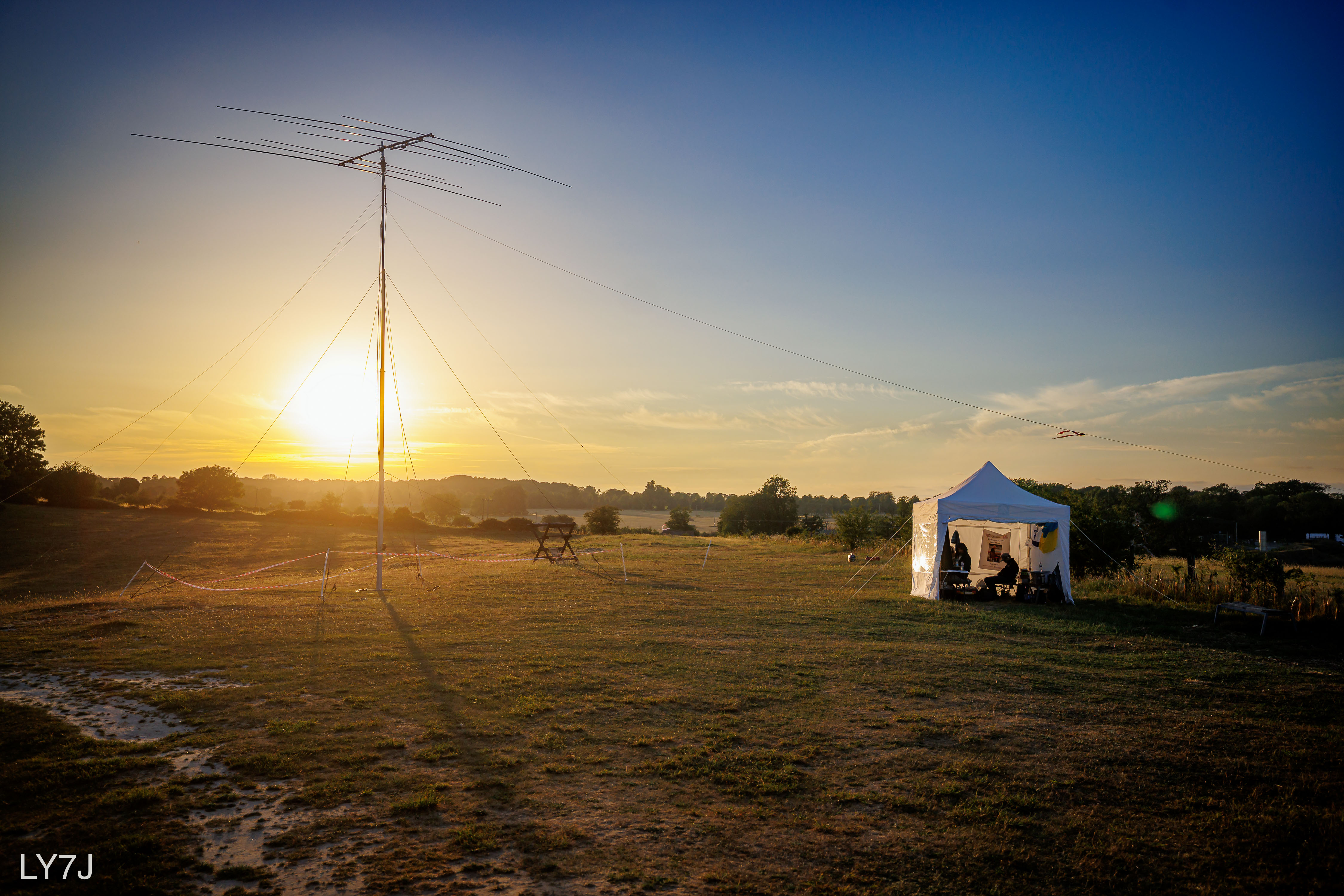
The operating sites, spread across the relatively flat countryside near the Norfolk–Suffolk border, needed to be as closely matched as possible. Antennas, masts, feeders, generators and station arrangements were carefully standardised to ensure fairness.
Even the orientation of antennas and the positioning of equipment had to be considered. Teams of volunteers practised erecting the stations, refining their methods so that everything could be assembled efficiently and safely.
Fifty new Honda generators were purchased, with external fuel tanks to keep the stations running continuously without the need for potentially hazardous refuelling.
It was a remarkable feat of planning and engineering.
The Human Side of a World Championship
Perhaps the most entertaining part of Lee's presentation was hearing about the countless practical problems that never appear in the final contest results.
International referees were issued ageing Nokia mobile phones, prompting the organisers to explain how to send text messages using technology that many people had long since forgotten.
The logistics included transport, accommodation, refreshments, emergency supplies and even toilet rolls. Vehicles were fitted with trackers to help ensure that competitors and referees reached their allotted sites.
And despite years of preparation, the unexpected still happened.
On the eve of the contest, a vehicle transporting competitors and their referee lost a wheel. Fortunately, it happened at low speed and nobody was injured, but it was hardly the sort of last-minute excitement the organisers had planned!
There were forgotten items, minor mishaps and the inevitable calls to the helpdesk. One referee even rang to report that everything was going perfectly well — reassuring news, perhaps, but not necessarily what an already busy organiser wants from an emergency telephone line!
These anecdotes brought the presentation to life and demonstrated the extraordinary patience, ingenuity and good humour required to run an event of this magnitude.

Let the Contest Begin
With the teams allocated their sites and secret callsigns, the competition finally got underway.
The standardised stations allowed operating skill, strategy and teamwork to come to the fore. The pace was extraordinary, with the busiest team recording 428 contacts in a single clock hour.
Meanwhile, sophisticated online coverage allowed supporters around the world to follow the competition, examine live results and watch the leaderboard change as the contest progressed.
The organisers also provided extensive media coverage, helping to bring the excitement of WRTC to a much wider audience.
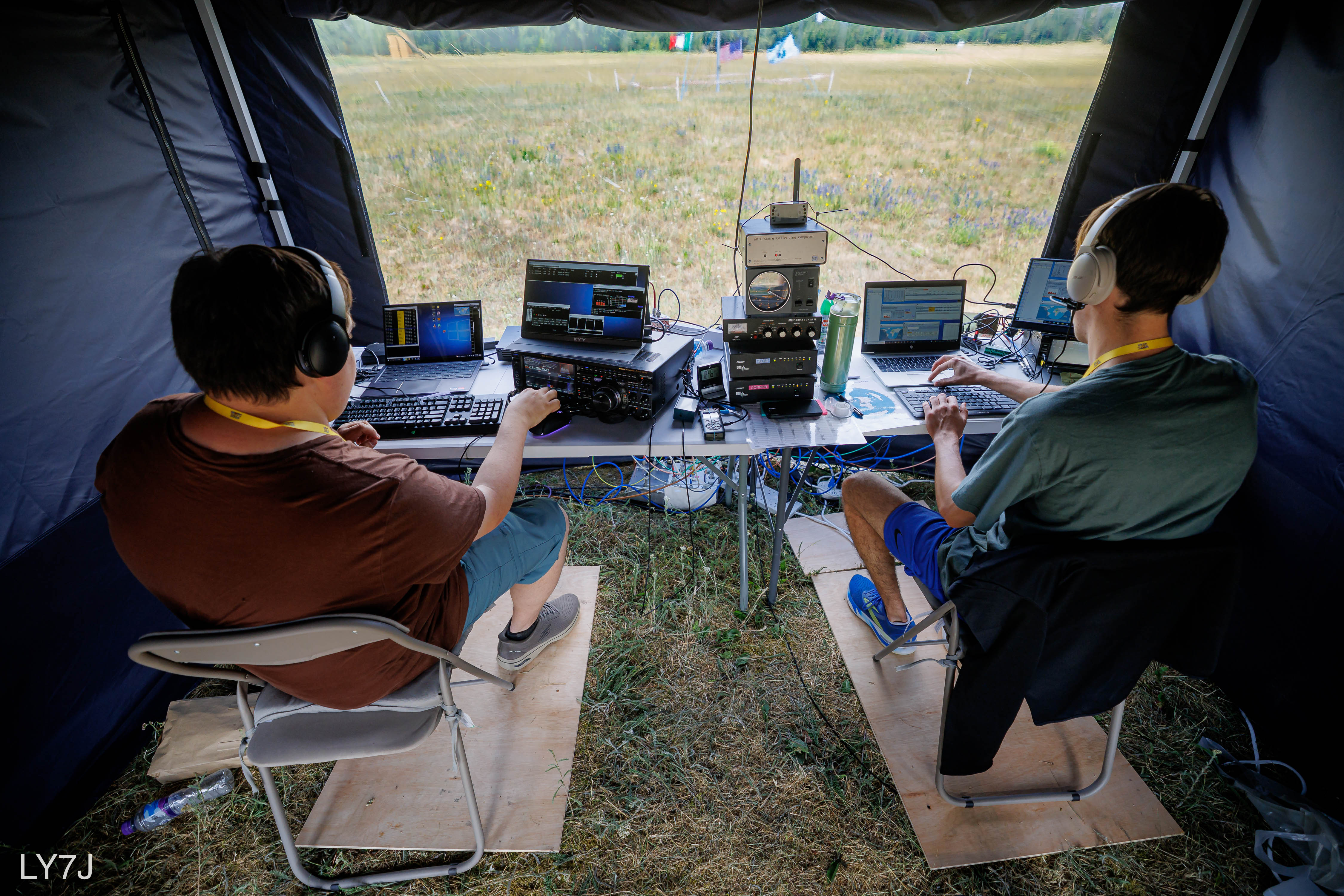
who were the leading Youth team
A Difficult Decision
Lee also spoke candidly about the controversy that followed the competition.
After the contest logs were published, analysis by members of the amateur radio community raised questions about possible irregularities. The organisers and adjudicators undertook an extensive investigation, examining logs and recordings.
Ultimately, the difficult decision was taken to reopen the adjudication process and revise the results.
It was an unprecedented and demanding step, but one the organisers believed necessary to protect the integrity of the championship.
The revised results recognised Manfred, DJ5MW, and Uli, DM5EE, as the rightful winners.
Lee was keen to emphasise that the overwhelming majority of competitors had operated fairly and in the true spirit of amateur radio. The controversy should not overshadow the remarkable achievements of the participants, organisers and volunteers.
A Remarkable Achievement
What became clear throughout the evening was that WRTC 2026 was about far more than radio contesting.
It involved engineering, finance, logistics, international cooperation, hospitality, media production and an enormous amount of voluntary effort.
Lee's presentation offered a rare and entertaining glimpse of the people and problems behind one of amateur radio's most prestigious events.
With the baton now passed to the Croatian organisers for the next championship, the British team can finally look back on an extraordinary achievement.
Our thanks to Lee for a thoroughly engaging, informative and often amusing presentation, and to everyone whose hard work made WRTC 2026 possible.